// Construction
Refractory bricks,
not cast mix.
The difference between an oven that lasts 20 years and one that deteriorates early lies in the structure. Every Ceky oven is built by hand, brick by brick, at our Lograto (Brescia) facility since 1935.
90 years of professional refractory brick oven manufacturing — Lograto, Brescia (Italy).
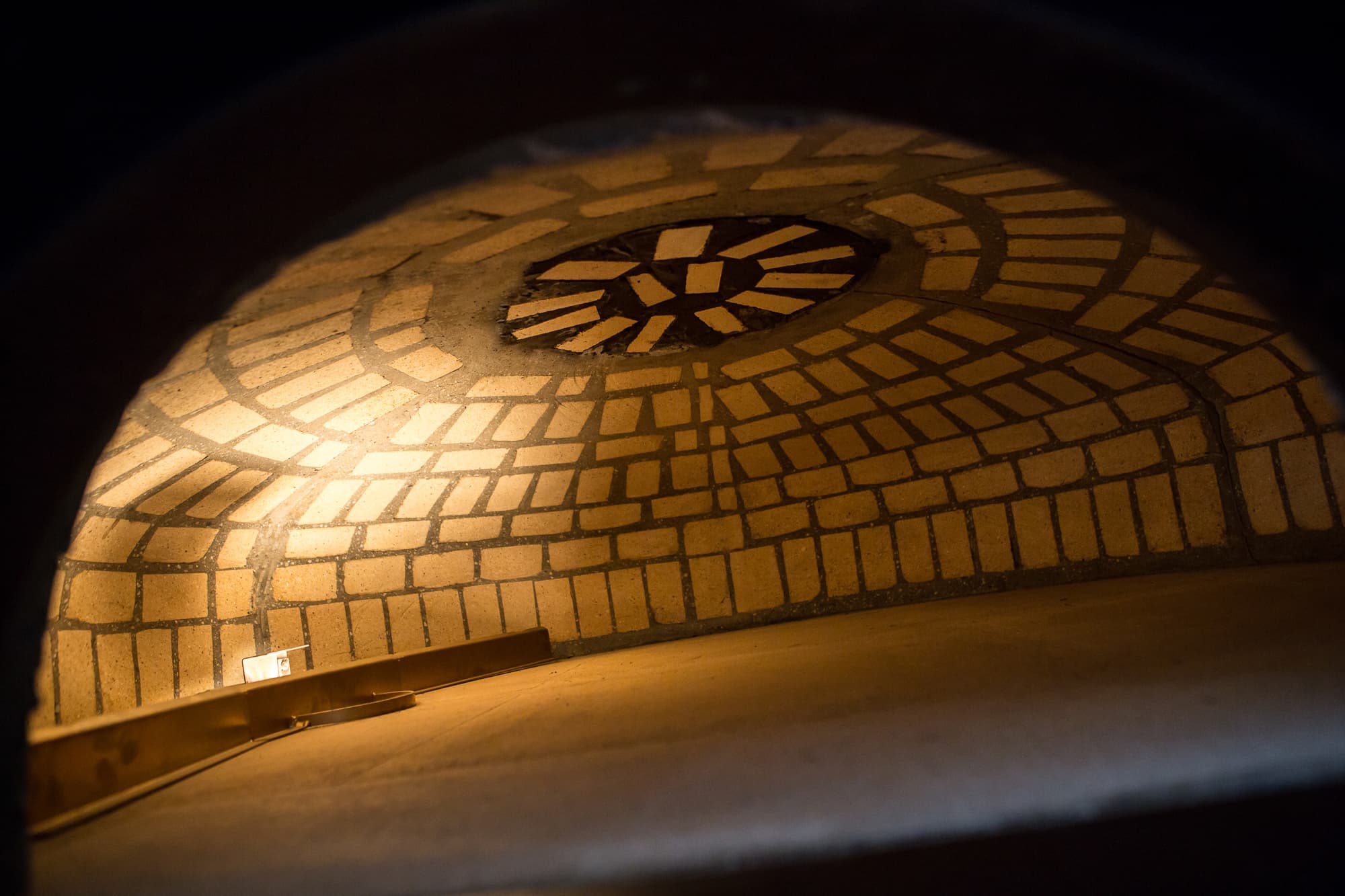
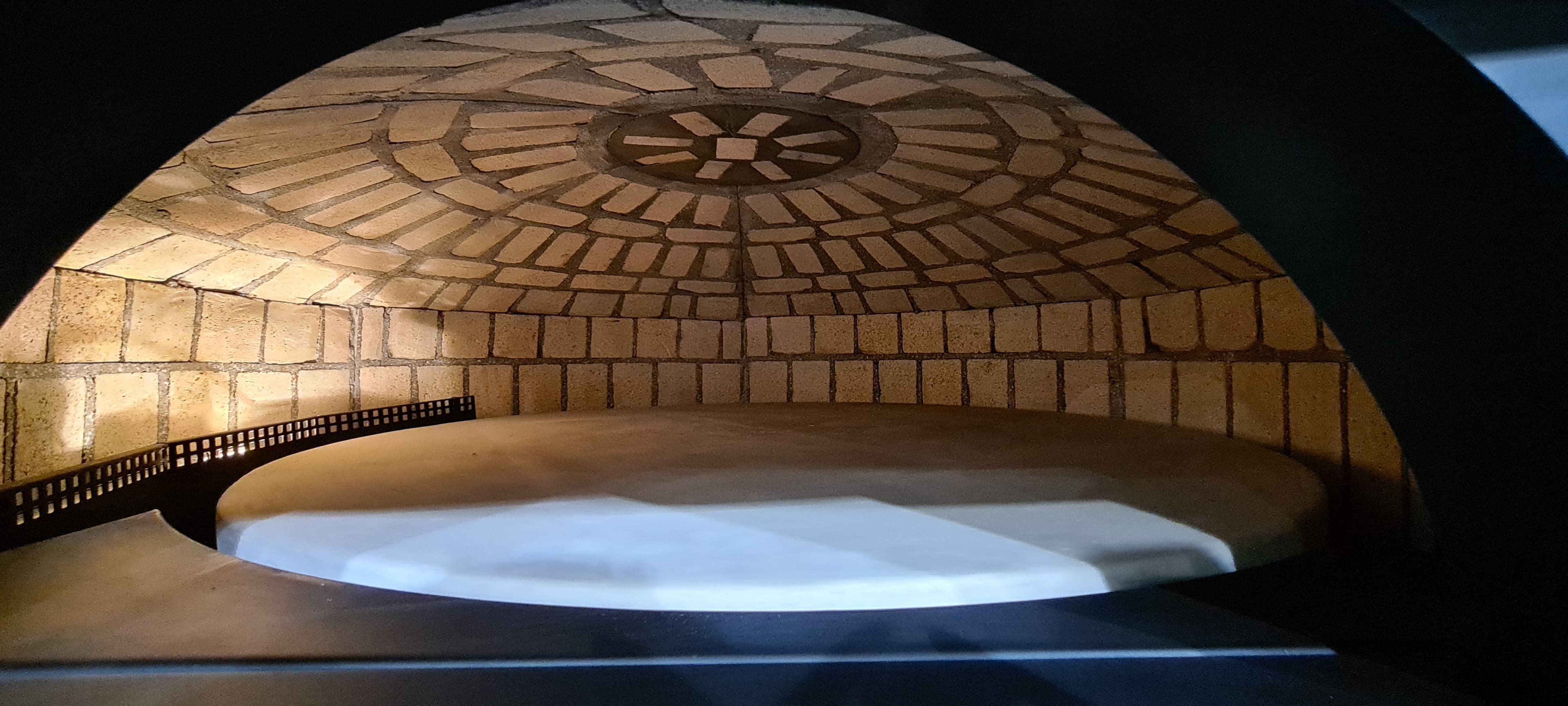
Two building approaches. Two different outcomes.
In the professional pizzeria oven market, two main construction methods exist: ovens built with hand-laid refractory bricks and ovens made with cast refractory mix.
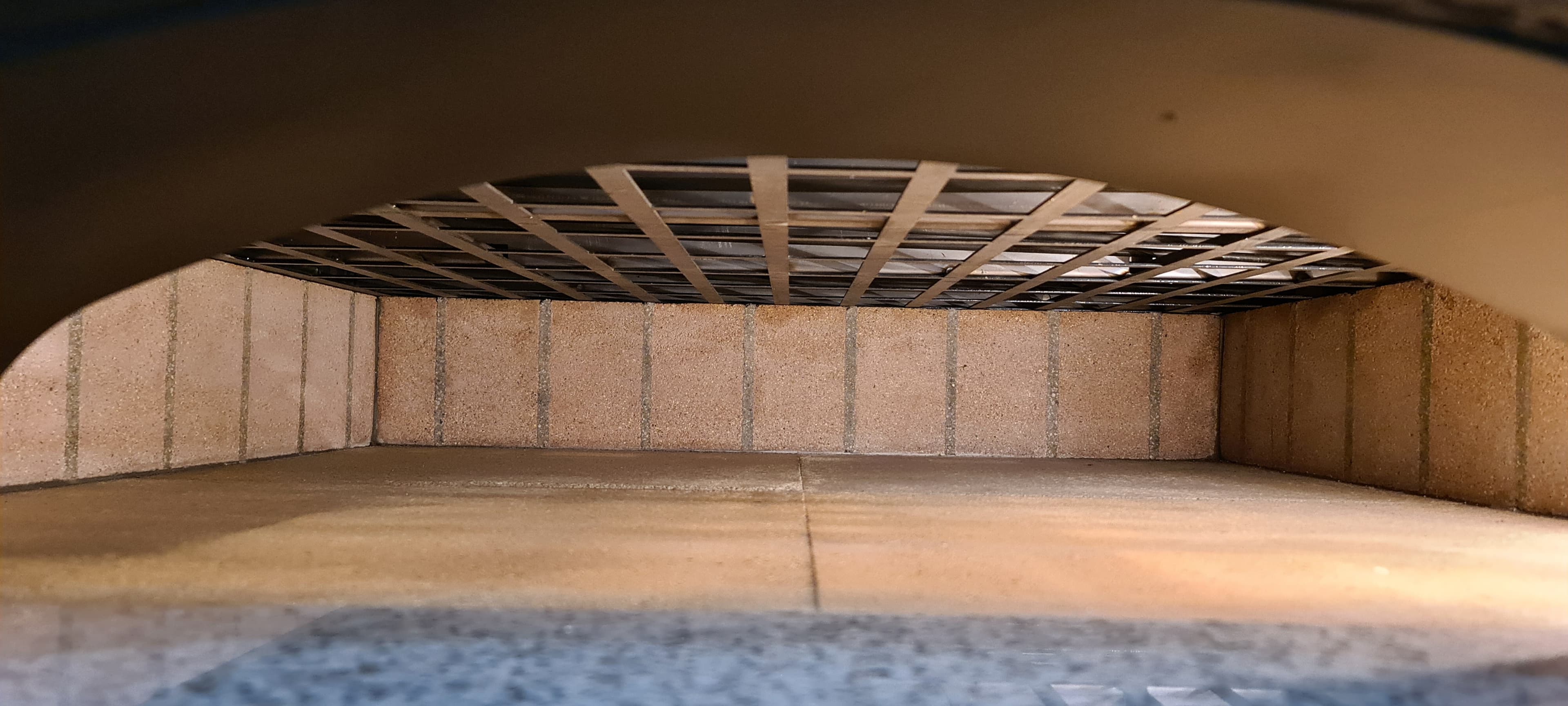
Cast refractory ovens are produced by pouring a refractory mix into a mould — a faster, industrial process. Ceky ovens, by contrast, are built by hand-laying individual refractory bricks one by one, by qualified master craftsmen. The refractory deck is 60 mm thick, providing a stable thermal reserve throughout the entire service.
The result shows over time: a Ceky oven has an average lifespan of over 20 years, with no need for deck repairs.
// Comparison
Refractory bricks vs cast mix
| Criterion | Ceky — refractory bricks | Cast refractory |
|---|---|---|
| Construction method | Hand-laid refractory bricks, one by one | Cast refractory mix poured into mould |
| Lifespan | 20+ years without deck repairs | Variable — often requires repairs |
| Deck thickness | 60 mm solid refractory | Varies by manufacturer |
| Heat retention | Stable throughout service, even at peak | May drop during high-intensity shifts |
| Customisation | High — each oven tailored to the venue | Limited by production moulds |
| AVPN certification | Yes (wood, gas, MX, static electric) | Depends on manufacturer |
| Production speed | Longer — artisan process | Faster — industrial process |
// FAQ
Questions about oven construction
What is the difference between a refractory brick pizza oven and a cast refractory one?
Refractory brick ovens are built by hand-laying individual bricks one by one. Each brick is individually selected and worked, ensuring a more uniform structure and better heat retention. Cast refractory ovens use a cementitious mix poured into a mould — a faster, industrial process that produces a less homogeneous structure more prone to deterioration over time.
How long does a professional refractory brick pizza oven last?
A professional pizza oven built with refractory bricks has an average lifespan of over 20 years, with no need for deck repairs. The brick structure maintains its thermal properties over time, unlike cast refractory ovens that may require floor repairs or replacement after several years of service.
Why does deck thickness matter in a pizza oven?
The refractory deck stores heat and releases it into the pizza during baking. A 60 mm thickness provides enough thermal reserve to maintain a stable temperature even during the most intense service shifts, when the oven is used continuously. A thinner deck loses heat more quickly and requires longer recovery times between pizzas.
Are Ceky ovens AVPN-certified?
Yes. Ceky wood-fired, gas-fired, and MX Line ovens are certified by the Associazione Verace Pizza Napoletana (AVPN). Static-deck electric ovens are also AVPN-certified. The certification confirms that the oven meets the requirements for producing authentic Neapolitan pizza.
Discover Ceky ovens
Wood, gas, electric or mixed. Static or rotating deck. Every combination, the same craftsmanship since 1935.