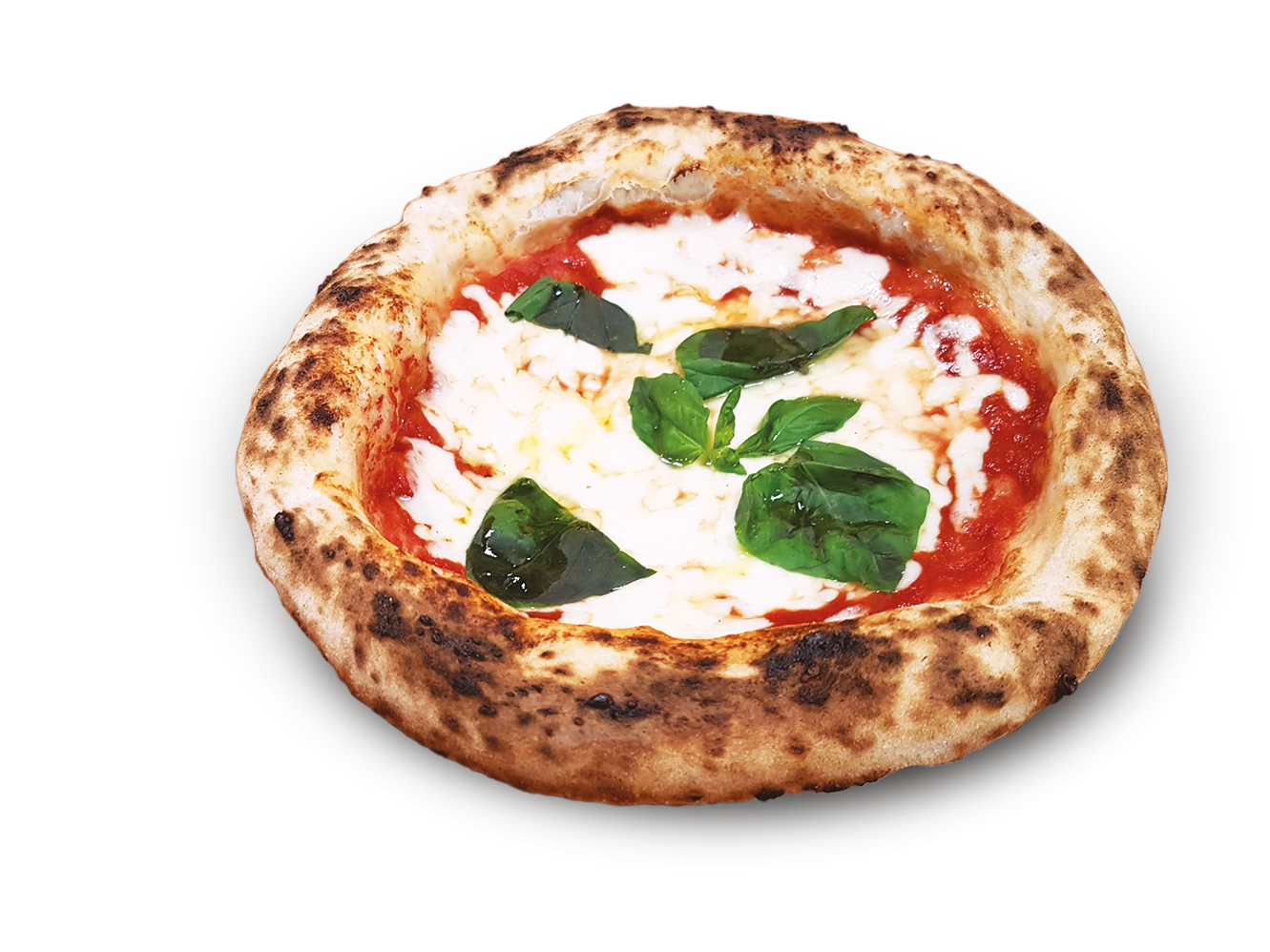
Every year, in Naples, Tuttopizza brings together the main operators of the Italian pizzeria supply chain. At the 2026 edition, held this month, the Osservatorio sulla Pizza documented a sector worth 15 billion euros a year, with more than 50,000 active pizzerias across Italy, over 300,000 employees, and almost 8 million pizzas produced every day.
These figures frame pizza not as a cultural phenomenon — that point is long established — but as a mature industrial sector with precise operational dynamics and specific pressures. The data offer a useful perspective for anyone producing or buying professional ovens.
How the market divides across oven types
The wood-fired oven maintains its dominant position: 56.9% of operators surveyed use it as their primary equipment. The figure is worth contextualising: wood persists for identity reasons, not purely technical ones. Wood does not impart flavour to the pizza — combustion is complete and aromatic profiles depend on the dough and ingredients — but it communicates authenticity, and authenticity translates into measurable pricing power.
The electric oven has reached 29.2%, with steady growth over recent years. Digital temperature control, the ability to function without a flue, and more stable running costs make it suitable for contexts where managing a live fire is not feasible or where cost predictability is a priority.
The gas oven stands at 19.4%. Less prominent in the numbers, it remains the choice for many pizzerias seeking high temperatures with less operational complexity than wood. 9.7% of operators use more than one oven type in parallel — a common strategy in high-volume venues managing different production rhythms within the same service.
Energy cost is the primary concern
61.1% of operators cite energy costs as their main challenge, ahead of labour (55.6%), taxes (47.2%), and raw materials (44.4%).
This priority has a direct effect on equipment decisions. An oven that consumes more than necessary — due to inadequate insulation or imprecise temperature control — is a fixed cost that accumulates across every service. Models with optimised heat management systems reduce consumption during the holding phase, where the majority of operating time is spent.
For gas ovens, the key variable is the refractory material's capacity to retain heat: a thick, dense deck stores thermal energy and releases it gradually, reducing burner cycling. For electric ovens, alternating element systems with eco functions maintain the target temperature through intermittent rather than continuous draw.
Sector profitability holds
Despite cost pressure, the sector shows solid signals. 41.7% of operators recorded revenue growth in the previous year; a further 41.7% held it steady. Only 16.7% reported a decline.
41.7% of pizzerias exceed 200 pizzas sold per day — a threshold that requires an oven with adequate hourly capacity and short thermal recovery times between loads.
The profile of the sector is predominantly independent: 57.4% are pure pizzerias, 76% have a single location, 66% are located in urban centres, with an average of 14 employees.
Prices rise, demand holds
The average price of a Margherita pizza in 2026 ranges from €6.72 in the South to €7.66 in the North, with Naples at €6.74. The geographic spread is contained and reflects local pricing dynamics, not a loss of product appeal.
Pizza remains one of the few restaurant products capable of absorbing price increases without significant demand loss. Artisanal positioning — including certification — further protects margins in the higher market segments.
What these numbers indicate
A sector of this size, growing for four in five operators, with energy management as its primary concern, is one that evaluates equipment investments with a clear criterion: long-term profitability.
The choice of oven — type, refractory material quality, thermal efficiency — is part of that calculation. Ceky ovens, built in Lograto since 1935 with hand-laid 60 mm refractory brick decks, are available in wood, gas and electric configurations to meet different operational requirements within the same sector.