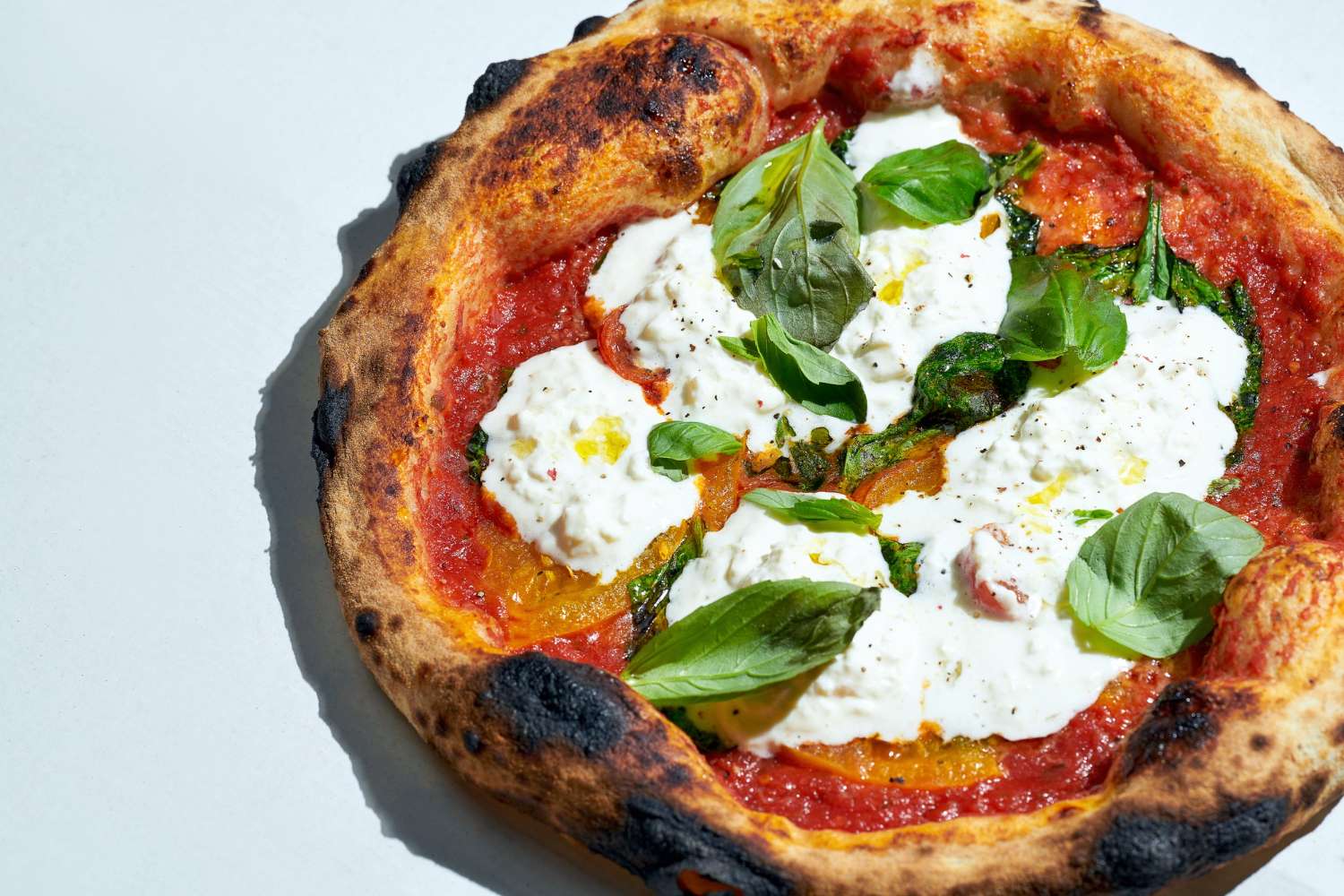
The choice of pizza oven is a crucial element for guaranteeing consistency and quality in production, regardless of whether the aim is to serve traditional Neapolitan pizza or a gourmet version. Choosing the right equipment is not merely a matter of personal taste, but a strategic investment that directly affects the reputation and commercial success of the business.
How the oven affects quality and productivity
A professional oven does not simply bake pizzas. It guarantees that each product meets the quality standards that distinguish an excellent pizza from an ordinary one. Neapolitan and gourmet pizza have very different requirements in terms of baking process and temperature levels.
High-quality professional ovens are designed to maintain stable temperatures without fluctuation, reducing waiting times and increasing operational capacity.
Baking requirements: Neapolitan vs gourmet
To make an authentic Neapolitan pizza, the oven's ability to reach and maintain temperatures around 485°C is essential. Only at this level can you achieve a dough that is soft inside and crisp outside, with light charring on the edges.
Gourmet pizza, by contrast, requires an oven with precise temperature control for a less aggressive bake. Electric or gas ovens with electronic regulation are ideal: they allow temperature to be set with precision, ensuring consistent results even with unusual ingredients and elaborate toppings.
Types of professional ovens
Wood-fired oven
The wood-fired oven is the traditional choice for Neapolitan pizza, valued for its high temperatures and characteristic aroma. Wood combustion produces an enveloping heat, ideal for venues that prioritise authenticity.
Gas oven
Gas ovens are a versatile alternative, allowing flame adjustment. They are suited to both Neapolitan and gourmet pizza. Chambers lined with refractory material guarantee even, stable baking.
Electric oven
The electric oven is a practical and versatile solution, particularly for pizzerias with limited space. Thanks to flexible settings, it suits both Neapolitan and gourmet pizza, ensuring consistent quality and optimal consumption control.
Practical criteria for the choice
- Capacity and internal structure: high-volume pizzerias need multi-chamber ovens to bake several pizzas simultaneously
- Refractory materials and thermal insulation: refractory lining allows uniform heat distribution
- Temperature control: in gas and electric ovens, the ability to set temperature precisely is fundamental
- Energy efficiency: many modern models are designed with energy-saving technologies